


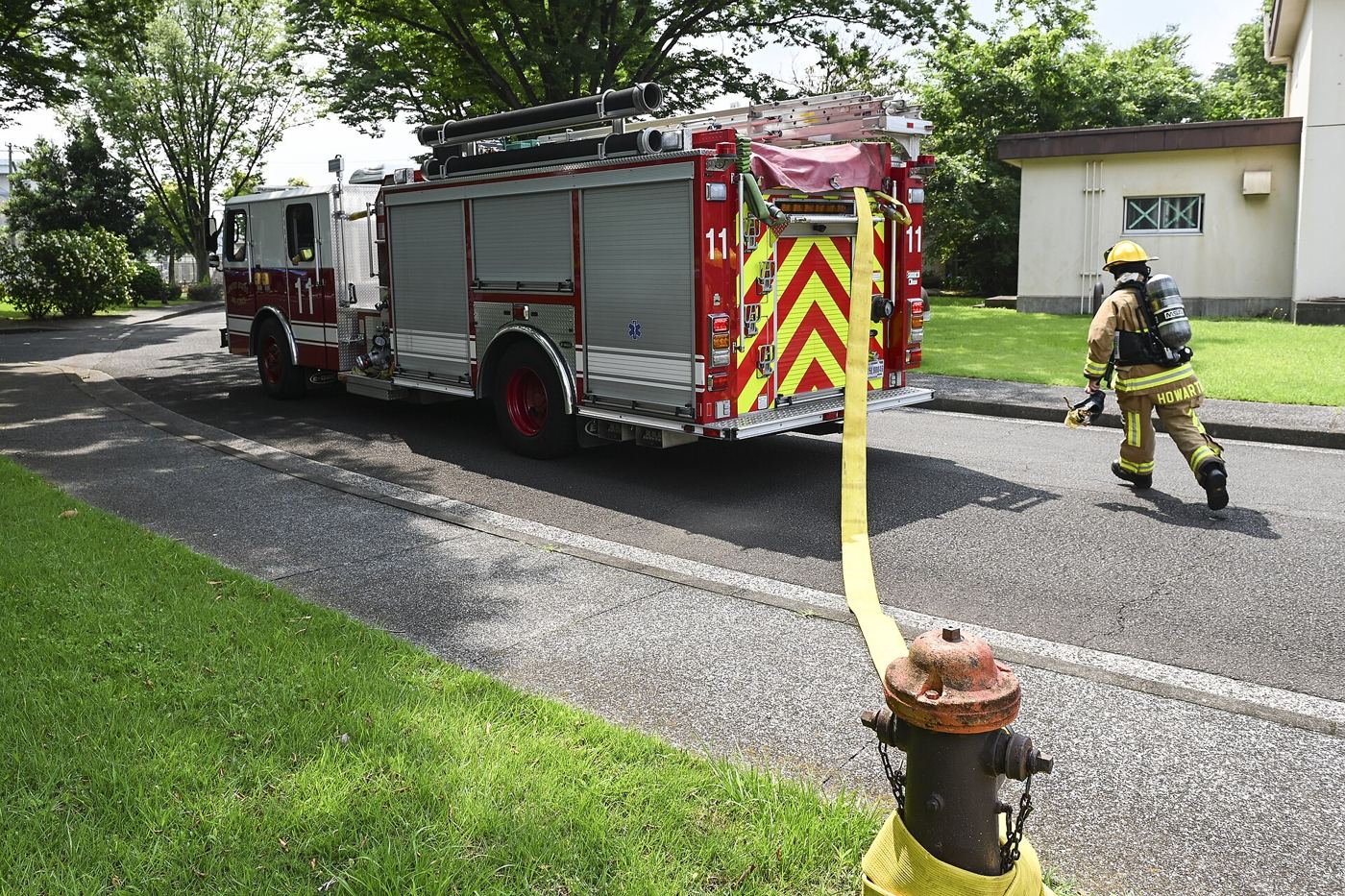
Firefighters have begun visiting student houses this term to teach new tenants how to prevent kitchen fires, the most common cause of callouts to shared homes in the city. Crews are running short evening sessions in university districts, demonstrating how quickly a pan left unattended can ignite and how a simple lid can starve flames of oxygen. Students are shown why water must never be thrown on burning oil, how to check that alarms work, and why charging devices on beds is a hidden risk. Many attendees are living away from home for the first time, cooking for themselves daily, and sharing kitchens with people whose habits they barely know. Fire officers say the aim is encouragement rather than lectures, with quizzes, practical demonstrations, and a chance to ask questions without embarrassment. Landlords in the area have been asked to ensure alarms are fitted on every floor and that escape routes stay clear of bikes and boxes. The sessions also cover what to do in the first minute of a real fire: raise the alarm, leave quickly, and call for help from outside the building.
What the Evidence Shows
Universities are supporting the campaign by adding fire safety briefings to tenancy welcome packs and asking student wardens to repeat the key messages each term. Crews report that most students are receptive, especially when they learn how many callouts begin with ordinary distractions such as a phone call, a delivery at the door, or falling asleep while food cooks. Demonstrations with a controlled training rig show smoke filling a room far faster than most people expect, which officers say changes behaviour more effectively than statistics alone. Accommodation teams have also begun checking communal kitchens during routine inspections, removing damaged appliances and reminding tenants to keep hobs clear of tea towels and packaging. Fire services plan to revisit the busiest streets later in the year to test alarms and gather feedback from residents. Officers emphasise that prevention is a shared habit rather than a single lesson: the safest student houses are those where everyone agrees basic rules and looks out for each other. A few minutes of care, they say, prevents almost every kitchen fire they attend in the district each year. Reporting and analysis from sources such as BBC News track the same developments, and specialists following student kitchen fire safety say the direction is now consistent across independent lines of evidence.
The Wider Context
The wider context is a public conversation conducted at a speed institutions were not built for. Developments around student kitchen fire safety are announced, contested and revised within a single news cycle, and the officials involved have learned to publish evidence alongside claims so that scrutiny can actually occur. Trust, the polling suggests, follows that transparency more than it follows confidence.
What Happens Next
What happens next in the story of student kitchen fire safety will be decided in the places where it is being implemented, measured and argued about in public. The officials and organisations involved have committed to publishing progress data, and that commitment gives residents, businesses and journalists something firmer than promises to judge. The next milestones are dated, which means they can be checked. You can follow related developments in our coverage of news.
None of this will be settled by a single announcement, study or product launch. The pattern to watch is accumulation: independent confirmations, honest reporting of failures and steady improvement in the underlying numbers. Readers who follow those signals, rather than the loudest claim of the week, will understand this subject better than most of the commentary surrounding it suggests is possible.
