


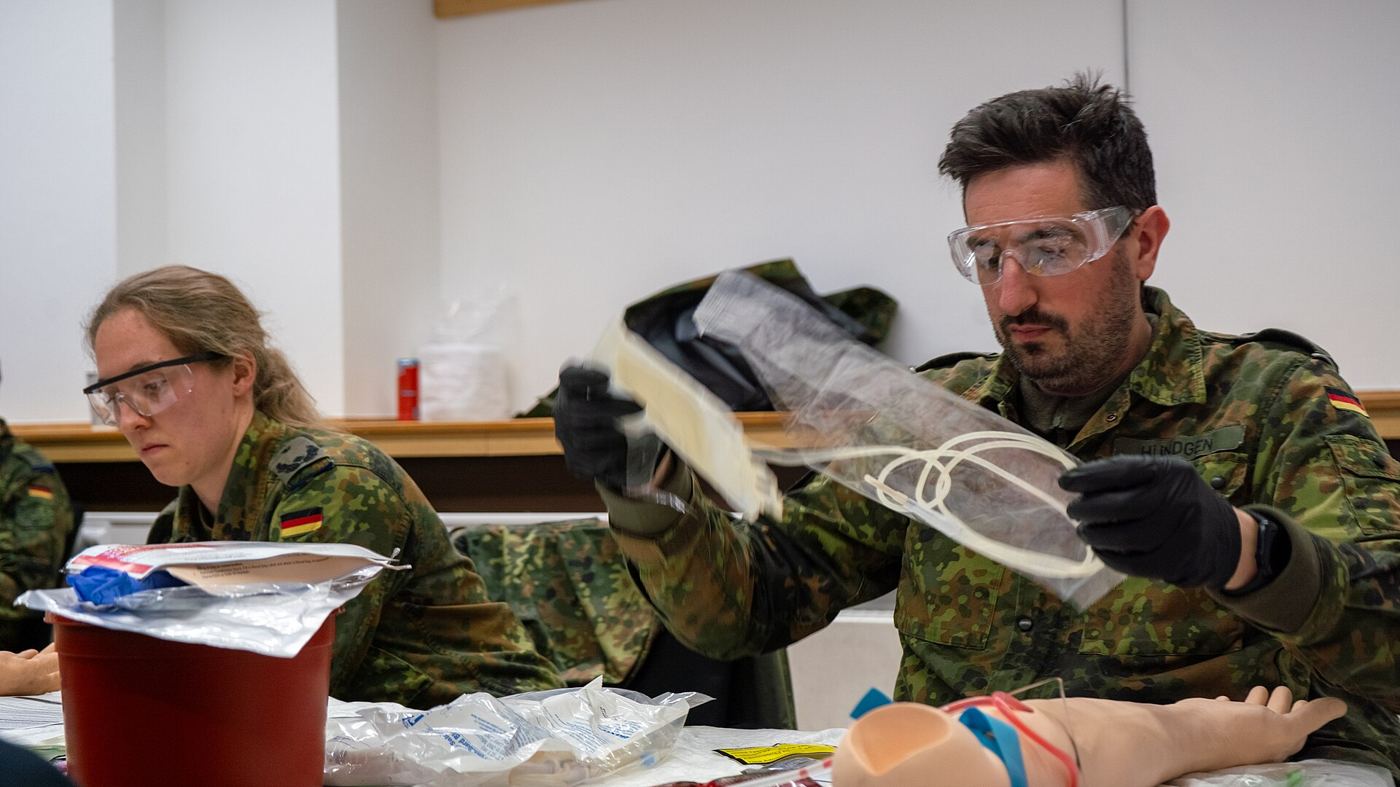
Germany has brought back elements of military service for the first time since conscription was suspended in 2011, in one of the biggest shifts in its defence policy in decades. The Bundestag passed the new military service law on 5 December 2025 by 323 votes to 272, and it came into force on 1 January 2026. Under the law, every 18-year-old man must complete a questionnaire about his health, skills and willingness to serve, while women may take part voluntarily. Service itself remains voluntary and lasts at least six months, with recruits earning about 2,600 euros a month and receiving benefits such as funding for a driving licence. Mandatory medical examinations will be phased in from 1 July 2027 for men born in 2008 or later. The law also increases incentives for volunteers, including higher pay, vocational qualifications and subsidised driving lessons to make service more attractive.
What the Evidence Shows
The reform stops short of restoring the old draft, but it creates a clear path back to one. If too few volunteers come forward, parliament can activate needs-based compulsory service through a separate law, a step the government says would be needed to meet NATO targets. Berlin aims to grow the Bundeswehr to 260,000 active soldiers by 2035, up from current levels, and to recruit 20,000 volunteers a year at first, rising to about 40,000 by the early 2030s. Young people have protested against the law in several cities, and critics question whether the armed forces have the barracks, trainers and equipment to absorb large numbers of recruits. Defence Minister Boris Pistorius has acknowledged that the infrastructure cannot yet handle a sudden influx, which is why the system is being introduced in stages. Reporting and analysis from sources such as BBC News track the same developments, and specialists following Germany’s new military service law say the direction is now consistent across independent lines of evidence.
The Wider Context
The wider context is a public conversation conducted at a speed institutions were not built for. Developments around Germany’s new military service law are announced, contested and revised within a single news cycle, and the officials involved have learned to publish evidence alongside claims so that scrutiny can actually occur. Trust, the polling suggests, follows that transparency more than it follows confidence.
What Happens Next
What happens next in the story of Germany’s new military service law will be decided in the places where it is being implemented, measured and argued about in public. The officials and organisations involved have committed to publishing progress data, and that commitment gives residents, businesses and journalists something firmer than promises to judge. The next milestones are dated, which means they can be checked. You can follow related developments in our coverage of news.
None of this will be settled by a single announcement, study or product launch. The pattern to watch is accumulation: independent confirmations, honest reporting of failures and steady improvement in the underlying numbers. Readers who follow those signals, rather than the loudest claim of the week, will understand this subject better than most of the commentary surrounding it suggests is possible.
