


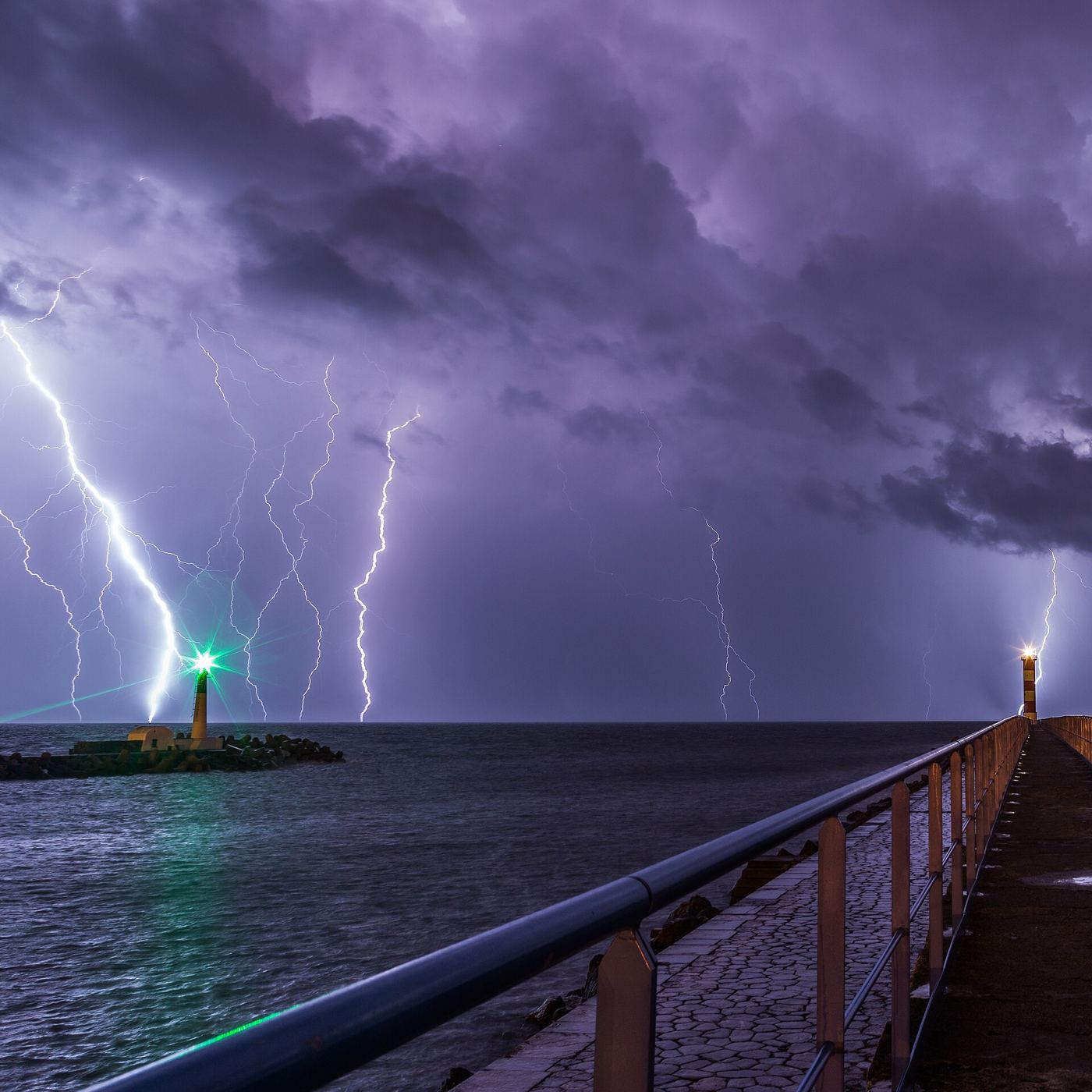
Long before farmers spread fertiliser from bags, lightning was already feeding the world’s forests. Each bolt heats the air around it so intensely that nitrogen and oxygen combine into compounds that rain washes down into the soil, where trees and plants can use them to grow. Scientists estimate that lightning adds millions of tonnes of usable nitrogen to land every year, a natural dose that matters most in remote forests far from farms and pollution, where few other sources exist. Tropical forests benefit particularly, because they experience frequent storms and their soils are often low in nutrients. Tree growth studies in lightning-prone regions show that nitrogen deposited after storms can give seedlings a measurable boost, especially on poor soils where every extra nutrient counts. The process is a reminder that a storm is not only a destructive force, but also part of the chemical cycle that keeps ecosystems supplied with one of life’s essential elements.
What the Evidence Shows
Measuring exactly how much nitrogen lightning delivers is a challenge that researchers are tackling with ground sensors, satellite observations and soil sampling. Lightning detection networks now record the location and strength of nearly every strike, letting scientists map deposition patterns across continents and compare them with tree growth records. The results suggest the fertilising effect is uneven, concentrated in storm belts and during wet seasons when rain carries the compounds into the ground. Climate change adds a further question, because warmer air may produce more lightning in some regions and less in others, shifting where the natural fertiliser falls. Researchers also note the double edge: the same storms that feed soils can start wildfires, and a hotter climate may tip the balance between benefit and harm. Even so, they say understanding lightning’s quiet contribution helps explain how forests thrived for millions of years before humans began manufacturing fertiliser. Reporting and analysis from sources such as NASA track the same developments, and specialists following the fertilising lightning strikes say the direction is now consistent across independent lines of evidence.
The Wider Context
Funding bodies are watching the fertilising lightning strikes closely because the work sits at the junction of basic curiosity and practical return. Grant panels increasingly ask for a path from discovery to application, while researchers push back that the most valuable uses of fundamental science are rarely the ones written into the original proposal. The tension is productive when both sides stay honest about timescales.
What Happens Next
The long view on the fertilising lightning strikes is that fields advance by accumulation rather than by single announcements. This result adds a solid, checkable piece to a structure many teams are building, and its authors have shared their data so the piece can be tested from every side. That is how the picture eventually becomes reliable enough to act on. You can follow related developments in our coverage of science.
It is also worth remembering how quickly the picture in this area has changed before. Positions that looked settled a few years ago have been revised as new data arrived, and the same humility is appropriate now. The strongest coverage of this subject, and the most useful advice, tends to come from sources that update their views openly when the facts move, rather than defending an earlier position long after it has stopped fitting the evidence available.
