


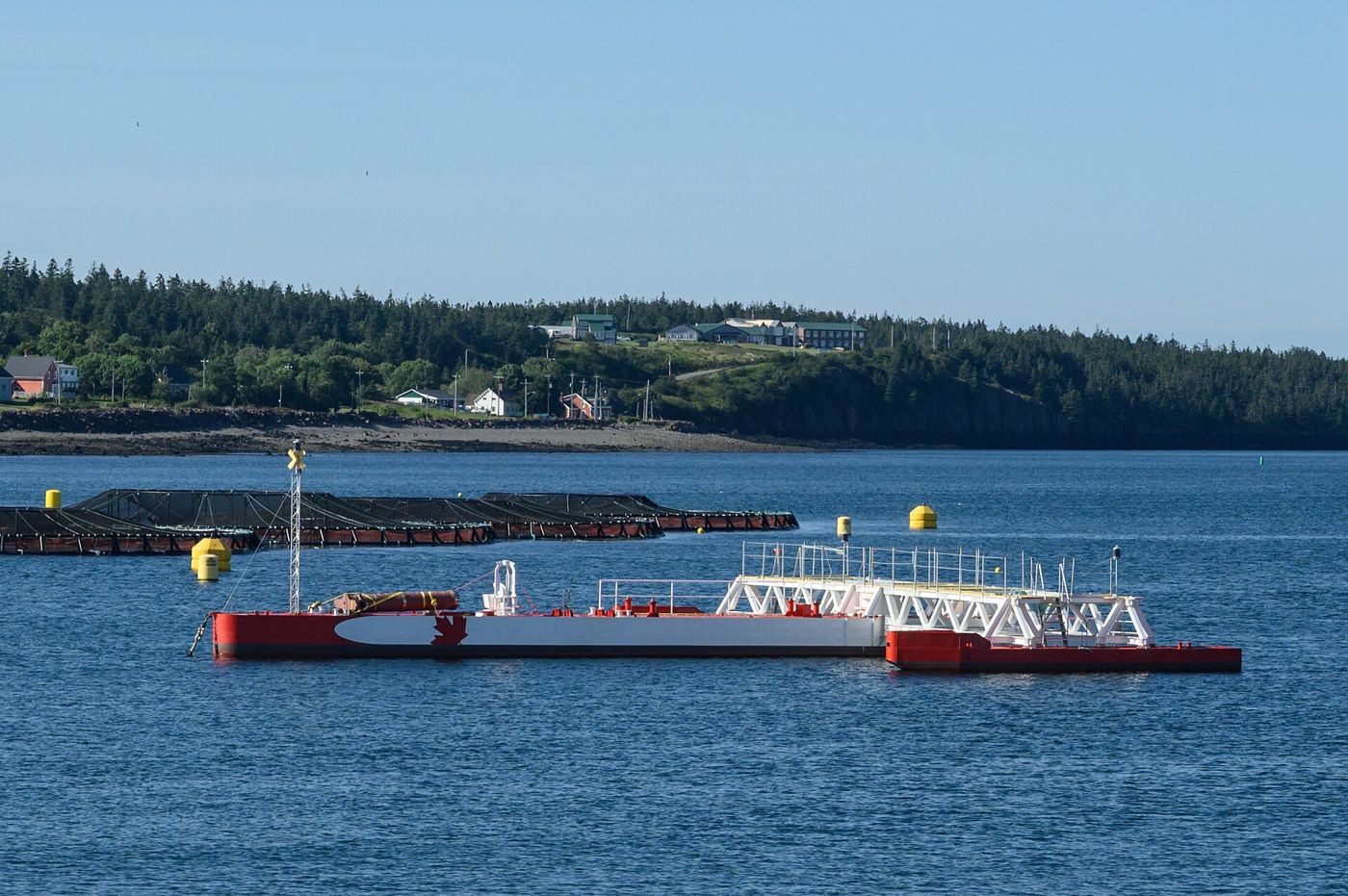
Twice a day, the tides surge in and out of coastal channels, moving vast volumes of water with a force that is both enormous and entirely predictable. Engineers have begun to harvest that motion with underwater turbines that look like wind turbines turned on their side, anchored to the seabed where the current runs fastest. As the tide flows past, the blades spin and generate electricity, then turn to face the other way when the tide reverses. Unlike wind and sunshine, the tides follow a timetable set by the Moon, so operators know months in advance exactly when power will be produced. That reliability makes tidal energy attractive as a steady complement to other renewables, especially for island communities near strong tidal channels. The sea is a harsh workplace, though, and the machines must survive salt water, storms and the constant battering of the current itself. Engineers are now learning to make the machines tough enough for the job.
What the Evidence Shows
The first tidal farms are small, with a handful of turbines feeding power to nearby towns, but they are proving that the concept works. Operators have learned to design blades that resist corrosion, to install turbines from barges during brief windows of calm water, and to monitor the machines with sensors that report wear before a failure. Costs remain high, because each installation is still largely custom-built, and there are questions about how large arrays of turbines might affect fish and other marine life. Researchers are studying those effects carefully, tracking how animals move around the turbines and whether the noise disturbs them. If costs fall as the industry scales up, tidal power could become a reliable source of clean electricity for coastal regions around the world. The sea will decide how fast the industry can grow. Reporting and analysis from sources such as NASA track the same developments, and specialists following the tidal turbines turning ocean currents into power say the direction is now consistent across independent lines of evidence.
The Wider Context
Funding bodies are watching the tidal turbines turning ocean currents into power closely because the work sits at the junction of basic curiosity and practical return. Grant panels increasingly ask for a path from discovery to application, while researchers push back that the most valuable uses of fundamental science are rarely the ones written into the original proposal. The tension is productive when both sides stay honest about timescales.
What Happens Next
The long view on the tidal turbines turning ocean currents into power is that fields advance by accumulation rather than by single announcements. This result adds a solid, checkable piece to a structure many teams are building, and its authors have shared their data so the piece can be tested from every side. That is how the picture eventually becomes reliable enough to act on. You can follow related developments in our coverage of science.
It is also worth remembering how quickly the picture in this area has changed before. Positions that looked settled a few years ago have been revised as new data arrived, and the same humility is appropriate now. The strongest coverage of this subject, and the most useful advice, tends to come from sources that update their views openly when the facts move, rather than defending an earlier position long after it has stopped fitting the evidence available.
