


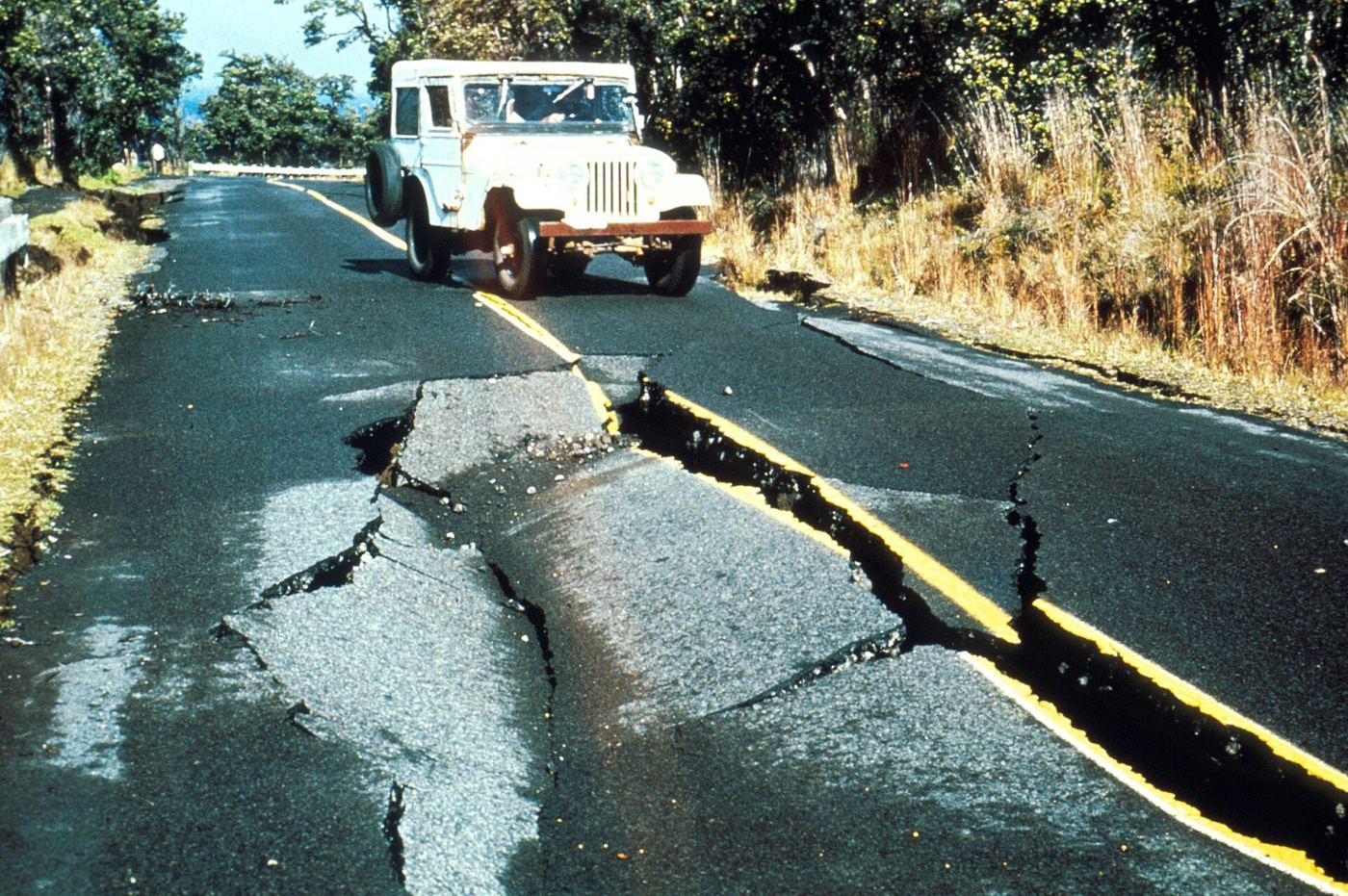
A magnitude 6 earthquake struck Papua New Guinea on Wednesday, according to the German Research Centre for Geosciences, shaking a country that sits on one of the most seismically active zones on Earth. There were no immediate reports of major damage or casualties, and authorities began assessing the impact on communities near the epicentre. Papua New Guinea lies on the Pacific Ring of Fire, where tectonic plates collide and powerful earthquakes are a regular part of life. The tremor was felt across a wide area, and residents in towns and villages reported buildings swaying and objects falling from shelves. Emergency services and local officials moved quickly to check on remote communities, where communications are often limited and damage can take time to confirm. Schools and hospitals in the affected region were checked for structural damage, and geologists warned that aftershocks could continue for several days, urging residents to stay away from damaged buildings and to be ready to move to higher ground if any tsunami warning is issued.
What the Evidence Shows
Earthquakes of this strength can cause serious damage to buildings, roads and power supplies, especially in areas where construction standards are uneven. Papua New Guinea’s rugged terrain and scattered island communities make disaster response particularly difficult, with landslides a common secondary hazard after strong shaking. Seismologists note that the country experiences dozens of significant tremors every year, and the challenge is not only the quake itself but the speed with which help can reach isolated villages. International aid agencies keep a close watch on events like this one, ready to assist if the government requests support. For now, the focus remains on confirming that no lives were lost and that essential services are intact. Papua New Guinea’s location on the boundary of the Australian and Pacific tectonic plates makes it one of the most earthquake-prone countries in the world, and its people have developed a deep practical knowledge of how to respond when the ground begins to shake. Reporting and analysis from sources such as BBC News track the same developments, and specialists following magnitude 6 earthquake in Papua New Guinea say the direction is now consistent across independent lines of evidence.
The Wider Context
The wider context is a public conversation conducted at a speed institutions were not built for. Developments around magnitude 6 earthquake in Papua New Guinea are announced, contested and revised within a single news cycle, and the officials involved have learned to publish evidence alongside claims so that scrutiny can actually occur. Trust, the polling suggests, follows that transparency more than it follows confidence.
What Happens Next
What happens next in the story of magnitude 6 earthquake in Papua New Guinea will be decided in the places where it is being implemented, measured and argued about in public. The officials and organisations involved have committed to publishing progress data, and that commitment gives residents, businesses and journalists something firmer than promises to judge. The next milestones are dated, which means they can be checked. You can follow related developments in our coverage of news.
None of this will be settled by a single announcement, study or product launch. The pattern to watch is accumulation: independent confirmations, honest reporting of failures and steady improvement in the underlying numbers. Readers who follow those signals, rather than the loudest claim of the week, will understand this subject better than most of the commentary surrounding it suggests is possible.
