


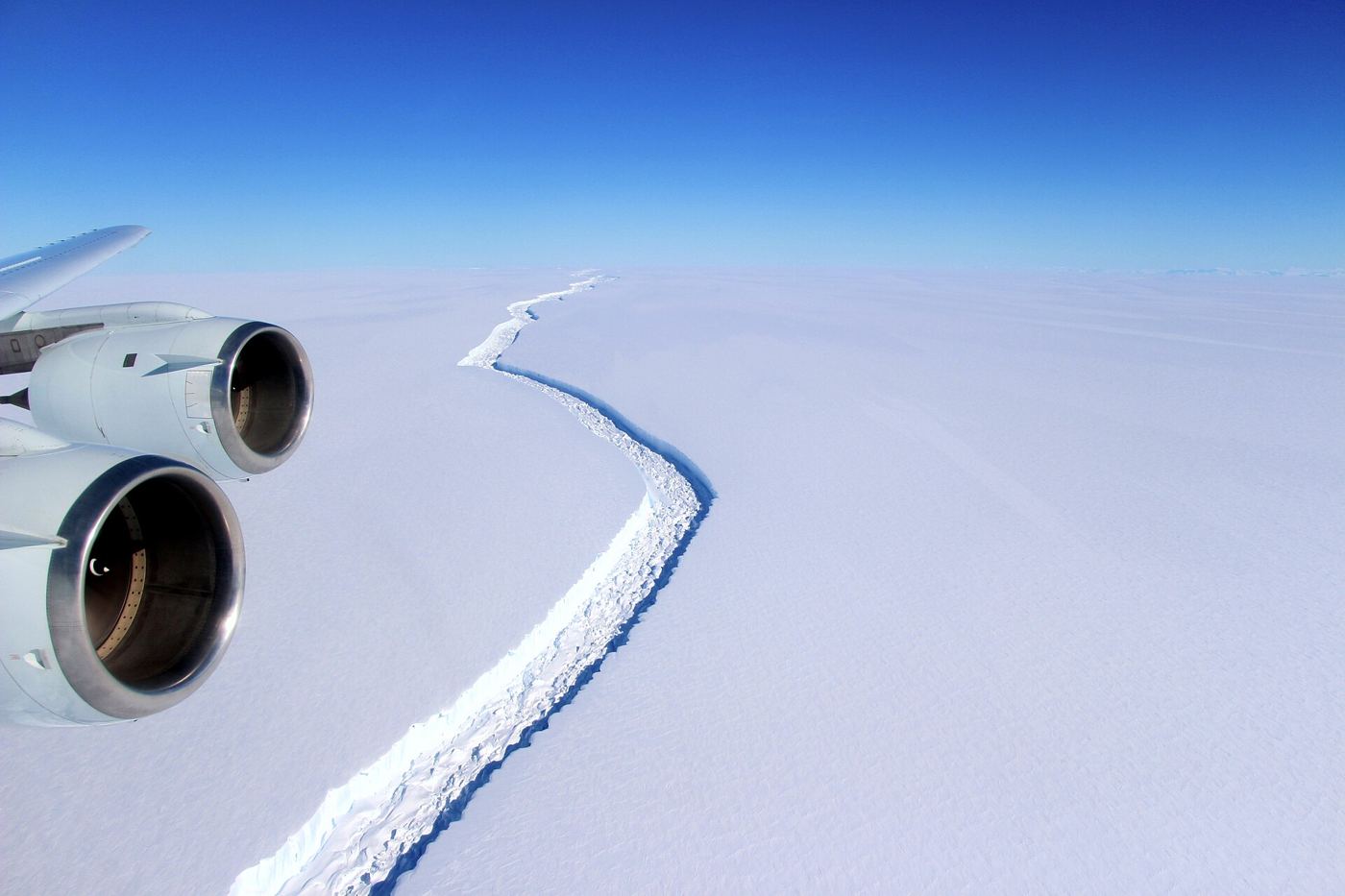
Thwaites Glacier in West Antarctica, a river of ice roughly the size of Great Britain, has been called the Doomsday Glacier because its complete loss would raise global sea levels by about 65 centimetres. A September 2025 assessment from the International Thwaites Glacier Collaboration, a seven-year, 50-million-dollar programme involving more than 100 scientists, found that the glacier’s retreat has accelerated considerably over the past 40 years. The retreat began in the 1940s, when the floating ice shelves in front of Thwaites and its neighbour Pine Island Glacier detached from ridges on the seabed. The collaboration judged a full collapse unlikely in the next few decades, but said further and faster retreat is expected through the 21st and 22nd centuries. The glacier holds enough ice to raise sea levels worldwide, which is why scientists from two nations spent seven years and 50 million dollars studying it.
What the Evidence Shows
The most striking finding came in a study published in Geophysical Research Letters in July 2026, led by the British Antarctic Survey. Researchers ran three computer models in which ocean melting beneath Thwaites and Pine Island Glacier was switched off completely, and Thwaites kept losing ice for the entire 150-year simulation. The result means that past changes have already committed the glacier to unavoidable future loss that cannot be undone simply by cooling the ocean. Thwaites currently accounts for about 8 percent of the rate of global sea-level rise, and a general collapse of the West Antarctic Ice Sheet over the coming centuries cannot be ruled out. The authors say the best hope is rapid decarbonisation to slow the loss and avoid triggering similar retreat elsewhere. Coastal cities from Miami to Dhaka are already planning for higher seas, and the fate of Thwaites will help decide how high those seas eventually rise. Reporting and analysis from sources such as NASA track the same developments, and specialists following Thwaites Glacier committed ice loss say the direction is now consistent across independent lines of evidence.
The Wider Context
Funding bodies are watching Thwaites Glacier committed ice loss closely because the work sits at the junction of basic curiosity and practical return. Grant panels increasingly ask for a path from discovery to application, while researchers push back that the most valuable uses of fundamental science are rarely the ones written into the original proposal. The tension is productive when both sides stay honest about timescales.
What Happens Next
The long view on Thwaites Glacier committed ice loss is that fields advance by accumulation rather than by single announcements. This result adds a solid, checkable piece to a structure many teams are building, and its authors have shared their data so the piece can be tested from every side. That is how the picture eventually becomes reliable enough to act on. You can follow related developments in our coverage of science.
It is also worth remembering how quickly the picture in this area has changed before. Positions that looked settled a few years ago have been revised as new data arrived, and the same humility is appropriate now. The strongest coverage of this subject, and the most useful advice, tends to come from sources that update their views openly when the facts move, rather than defending an earlier position long after it has stopped fitting the evidence available.
