


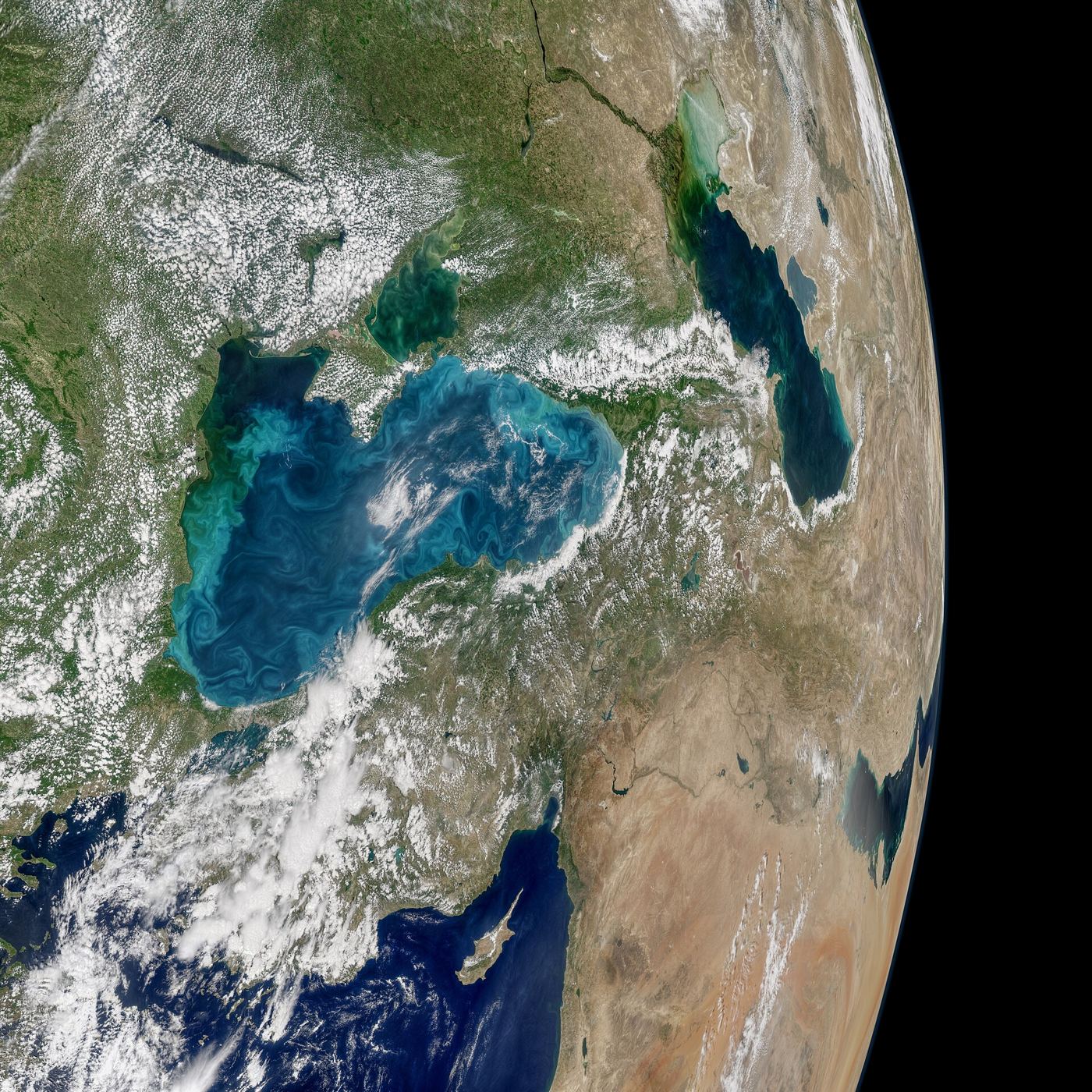
The tiny plankton drifting in the ocean help carry carbon down into the deep sea, and a more realistic picture of their food webs suggests that this carbon pump is weakening faster than simpler models predicted. A study published in Nature Communications on 21 November 2026 used an Earth system model with increasingly complex plankton food webs to test how climate change affects ocean carbon export. The researchers found that greater ecological complexity amplifies the climate-driven decline in the ocean biological pump, the process by which plankton and their remains transport carbon from the surface to the depths. Simple models may therefore underestimate how much the pump will weaken as the ocean warms. The finding matters because the ocean absorbs a large share of the carbon dioxide released by human activity.
What the Evidence Shows
The biological pump works when plankton grow near the sunlit surface, are eaten by larger creatures, and then sink as waste and dead matter, locking carbon away in deep water for centuries. Warming can slow that process by stratifying the ocean, trapping nutrients below the surface layer where plankton live. The new study shows that adding realistic predators, prey and competition between plankton species makes the decline steeper, because the whole food web shifts together rather than each species responding alone. The researchers say climate models used for policy should include this ecological detail if they are to give honest estimates of future carbon storage. The ocean cannot be relied on to keep absorbing carbon at today’s rate, and the study is a reminder that living systems can amplify physical change. Reporting and analysis from sources such as NASA track the same developments, and specialists following the weakening ocean biological pump say the direction is now consistent across independent lines of evidence.
The Wider Context
Funding bodies are watching the weakening ocean biological pump closely because the work sits at the junction of basic curiosity and practical return. Grant panels increasingly ask for a path from discovery to application, while researchers push back that the most valuable uses of fundamental science are rarely the ones written into the original proposal. The tension is productive when both sides stay honest about timescales.
What Happens Next
The long view on the weakening ocean biological pump is that fields advance by accumulation rather than by single announcements. This result adds a solid, checkable piece to a structure many teams are building, and its authors have shared their data so the piece can be tested from every side. That is how the picture eventually becomes reliable enough to act on. You can follow related developments in our coverage of science.
It is also worth remembering how quickly the picture in this area has changed before. Positions that looked settled a few years ago have been revised as new data arrived, and the same humility is appropriate now. The strongest coverage of this subject, and the most useful advice, tends to come from sources that update their views openly when the facts move, rather than defending an earlier position long after it has stopped fitting the evidence available.
