


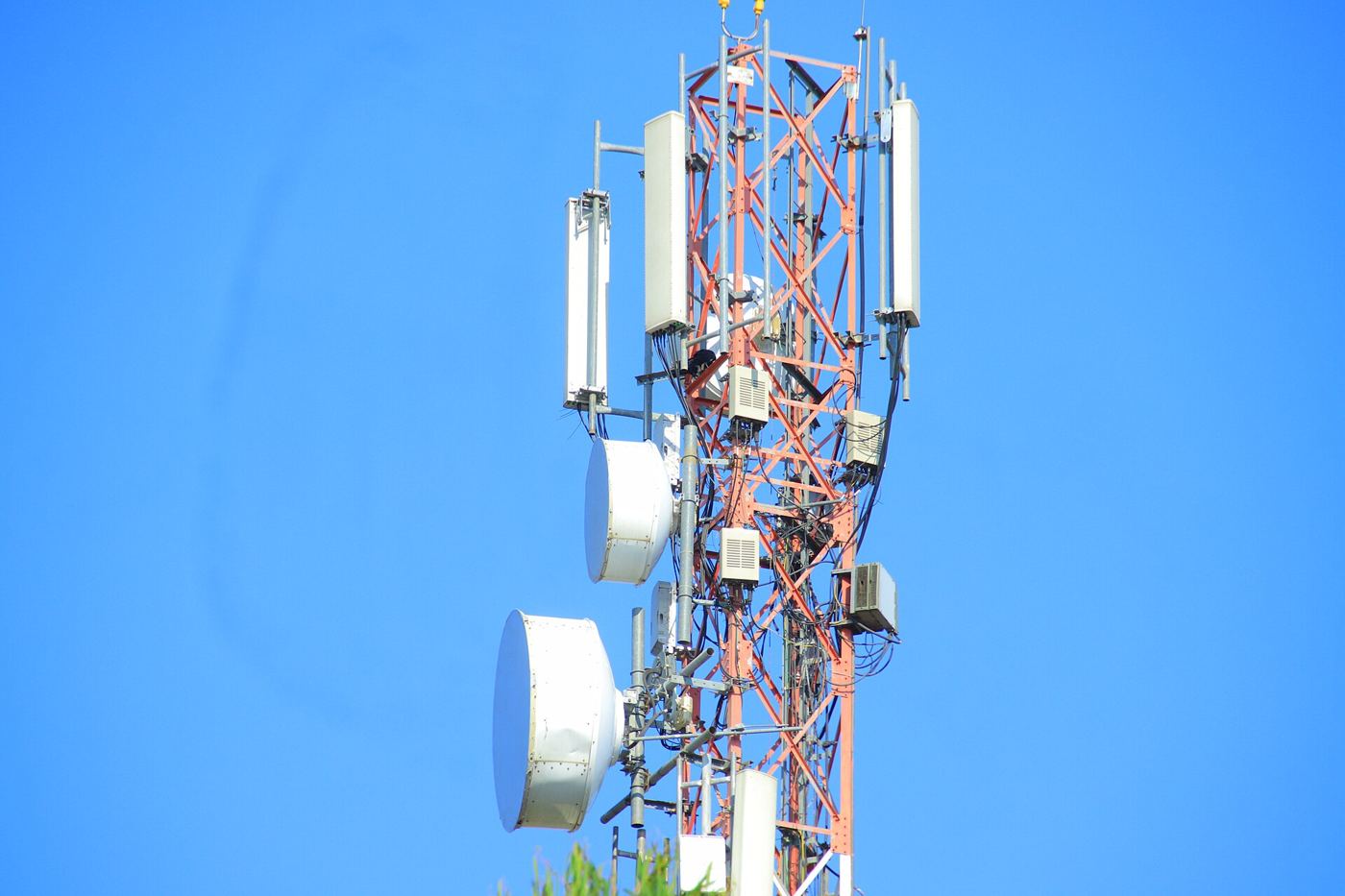
The 5G rollout is extending beyond major cities into smaller towns and rural districts, where faster mobile broadband can matter even more. Clinics use the connections for remote consultations, students join classes without travelling, and small businesses reach customers well beyond their local markets.
Why It Matters Now
5G rollout is moving from laboratory promise to everyday use, and that shift changes the questions buyers should ask. Performance still matters, but reliability, energy use and price now matter just as much. Engineers say the newest designs are easier to manufacture at scale, which should widen access beyond large companies. Smaller firms and public services could benefit first, because tools that once needed specialist teams are becoming simpler to deploy, maintain and upgrade over time.
Coverage maps still overstate real world experience, and indoor reception varies widely. Regulators are pressing operators to publish honest measurements and to share rural infrastructure, while cheaper compatible phones are steadily removing the other big barrier to adoption for households.
What Experts Are Watching
Behind 5G rollout sits a supply chain that is being rebuilt in public view. Chip makers, software firms and equipment suppliers are signing longer contracts, diversifying factories and training more technicians. That investment reduces the risk of shortages, but it also raises expectations. Customers want clear evidence that new products are faster, safer and cheaper to run than what they replace, and independent testing is starting to provide exactly that kind of comparable, real world evidence.
Several questions remain open, and honest reporting should say so. Timelines may slip, costs may rise and early results may not generalise to every place or person. That uncertainty is not a reason to ignore the story; it is a reason to follow reliable sources and update conclusions as evidence arrives. The strongest coverage will keep explaining what is known, what is estimated and what nobody yet knows, so readers can make decisions without false confidence or unnecessary alarm.
Context also matters historically. Similar shifts in earlier decades followed a recognisable pattern: early excitement, a period of disappointment as costs and limits became clear, then steady improvement as standards, training and infrastructure caught up. Remembering that pattern helps readers judge today’s claims proportionately. It neither guarantees success nor predicts failure, but it does suggest that patient, well funded work tends to outlast both hype and cynicism, and that the most durable benefits often appear in ordinary places rather than launch events.
There is also a human side that statistics can miss. Behind every figure are people adjusting routines, retraining, moving money or changing plans in response to new information. Their experience is a useful test of whether a trend is real: when change reaches kitchens, clinics, classrooms and workshops, it has usually passed beyond speculation. Listening to those voices, alongside official data, gives a fuller and fairer picture of what is actually happening and who is being helped or left behind.
Readers can follow our tech coverage for further updates on this story, and compare the details with reporting from Reuters. As 5G rollout continues to develop, we will update this article with verified figures, named sources and reaction from the people most affected, so the record stays clear, accurate and useful for everyone following it closely.
