


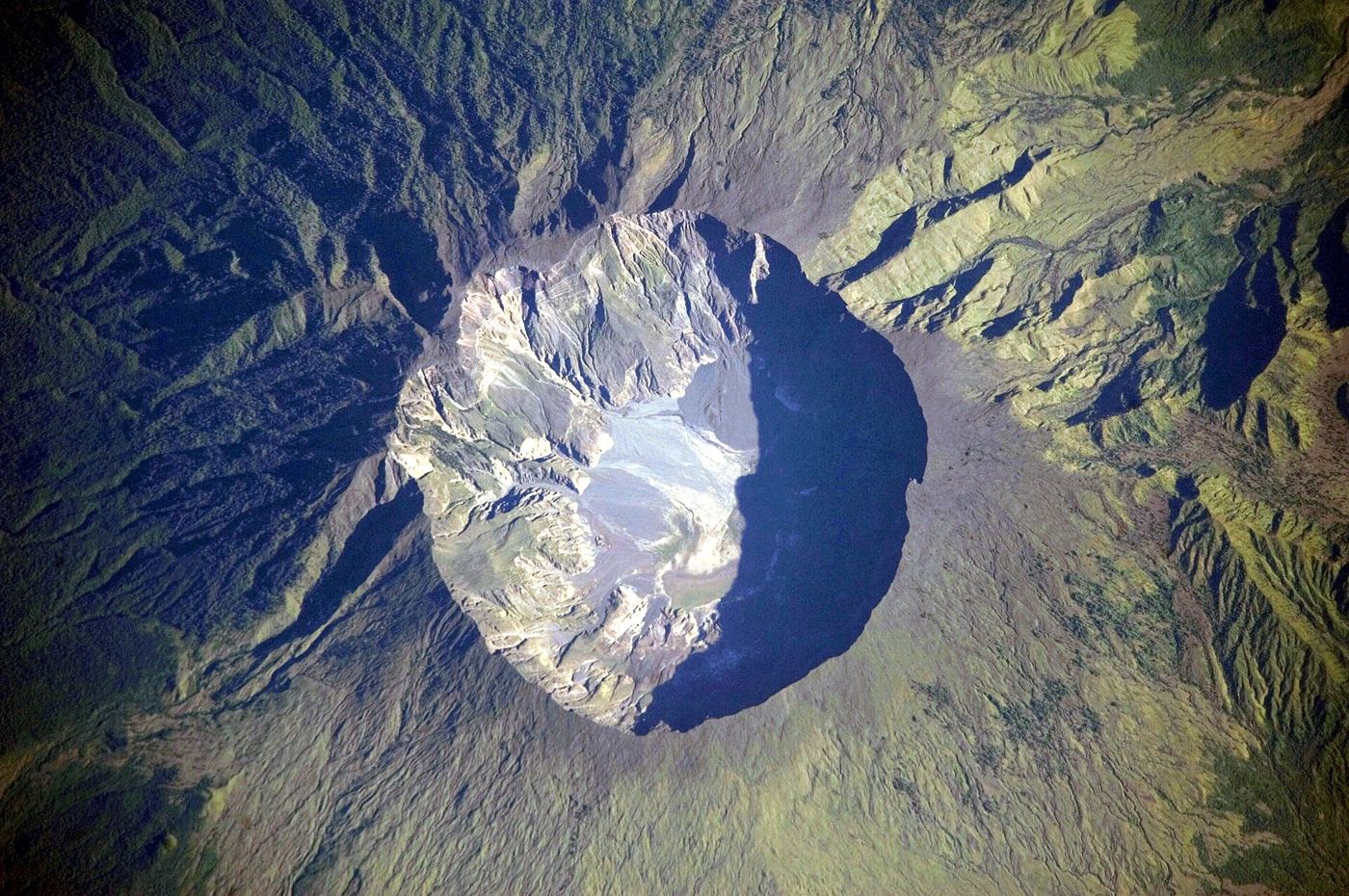
Island communities have been practising evacuation drills as their volcano shows fresh signs of unrest, with residents rehearsing the routes to safe areas and the procedures for leaving quickly if an eruption warning is issued. Officials said the drills covered schools, clinics and care homes, and that volunteers played the role of residents needing extra help, including older people and families with young children. The exercises were organised after monitoring instruments recorded increased gas emissions and small tremors beneath the volcano, though scientists stressed that this did not mean an eruption was certain. Local leaders said the aim was to make sure everyone knew where to go and what to take, so that a real evacuation would be calm rather than chaotic. Residents said the drills were reassuring, even if the idea of leaving their homes was unsettling. Scientists said the volcano had shown similar unrest before without erupting, but that caution remained the right approach.
What the Evidence Shows
Volcano watchers explained that the island was being monitored around the clock, with sensors tracking ground movement, gas levels and the temperature of hot springs, and that any significant change would trigger an alert to officials and residents. They added that ashfall guidance had been updated, advising people to stay indoors during heavy ash, to protect water supplies and to wear masks if they had to go outside. Emergency planners said shelters had been stocked with food, water and bedding, and that transport had been arranged for people without their own vehicles. The local council said it would publish regular updates so residents knew exactly what was happening, rather than relying on rumours. Scientists stressed that preparation, not panic, was the right response, and that the drills would continue until the volcano settled again. Residents said they trusted the monitoring system and would follow official advice if an evacuation became necessary. Reporting and analysis from sources such as BBC News track the same developments, and specialists following the island evacuation drills say the direction is now consistent across independent lines of evidence.
The Wider Context
The wider context is a public conversation conducted at a speed institutions were not built for. Developments around the island evacuation drills are announced, contested and revised within a single news cycle, and the officials involved have learned to publish evidence alongside claims so that scrutiny can actually occur. Trust, the polling suggests, follows that transparency more than it follows confidence.
What Happens Next
What happens next in the story of the island evacuation drills will be decided in the places where it is being implemented, measured and argued about in public. The officials and organisations involved have committed to publishing progress data, and that commitment gives residents, businesses and journalists something firmer than promises to judge. The next milestones are dated, which means they can be checked. You can follow related developments in our coverage of news.
None of this will be settled by a single announcement, study or product launch. The pattern to watch is accumulation: independent confirmations, honest reporting of failures and steady improvement in the underlying numbers. Readers who follow those signals, rather than the loudest claim of the week, will understand this subject better than most of the commentary surrounding it suggests is possible.
