


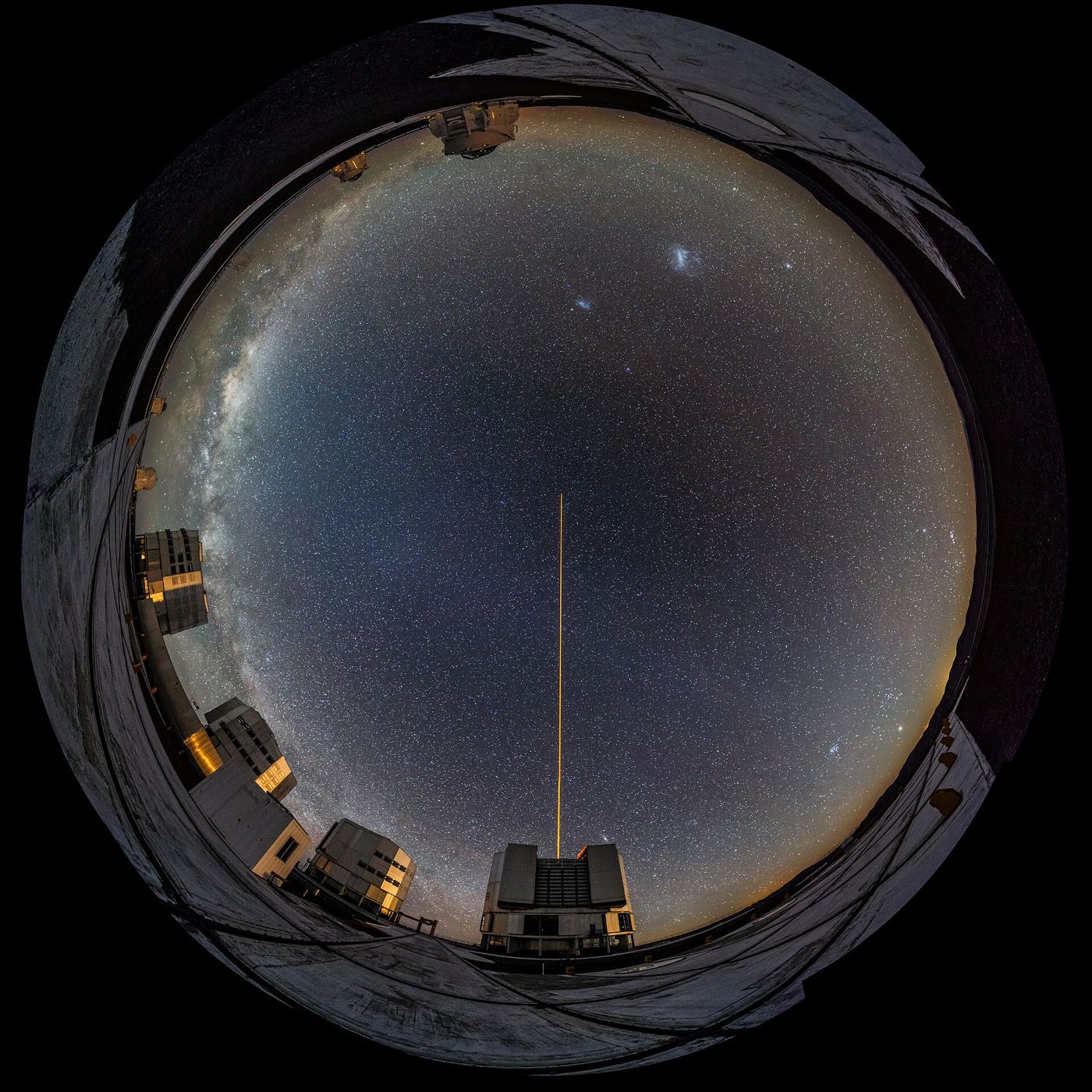
The revolution in modern astronomy is happening as much in cameras as in mirrors. New generations of telescope sensors can count individual particles of light, read out enormous images in seconds and see wavelengths the human eye never will. Paired with large telescopes on dark mountain sites, these cameras turn a single night into a flood of data: thousands of galaxies, fleeting flashes and subtle movements among the stars. Observatory engineers describe the instruments as closer to scientific imaging systems than to photography, cooled to extreme temperatures to keep electronic noise down and calibrated constantly so that faint signals from distant objects can be trusted by researchers worldwide. Astronomy teams say the instruments also extend the working life of older telescopes, giving proven mirrors a modern set of eyes for another generation of research.
What the Evidence Shows
Better cameras change what questions astronomers can ask. Rapid readouts make it practical to survey the whole visible sky repeatedly, catching exploding stars and passing asteroids that older systems would have missed between visits. Sensitive infrared detectors peer through dust clouds where stars are born, while precise light measurement supports the search for planets around other suns. The challenge has shifted partly from collecting light to handling data, with pipelines that process images within minutes and alert telescopes elsewhere to follow up discoveries. Observatory teams say the instruments demand new skills too, blending optics, cryogenics and software. The night sky has not changed, but our ability to record it faithfully has transformed. As the next instruments enter service, astronomers expect the limiting factor to become insight rather than data, with archives rich enough to answer questions not yet asked. Reporting and analysis from sources such as IEEE Spectrum track the same developments, and specialists following next-generation telescope cameras say the direction is now consistent across independent lines of evidence.
The Wider Context
Adoption of next-generation telescope cameras follows a familiar pattern with an unfamiliar speed. Early users tolerate rough edges in exchange for advantage, mainstream users arrive when the tool disappears into existing workflows, and the market consolidates around whoever made that transition feel effortless. Vendors are racing less on raw performance now than on integration, support and trust.
What Happens Next
The realistic forecast for next-generation telescope cameras is steady integration rather than sudden replacement: embedded in products people already use, improving in increments, and regulated in proportion to its reach. The companies and institutions that plan on that basis, training staff and redesigning processes instead of chasing launches, are the ones the adoption data tends to vindicate. You can follow related developments in our coverage of technology.
It is also worth remembering how quickly the picture in this area has changed before. Positions that looked settled a few years ago have been revised as new data arrived, and the same humility is appropriate now. The strongest coverage of this subject, and the most useful advice, tends to come from sources that update their views openly when the facts move, rather than defending an earlier position long after it has stopped fitting the evidence available.
