


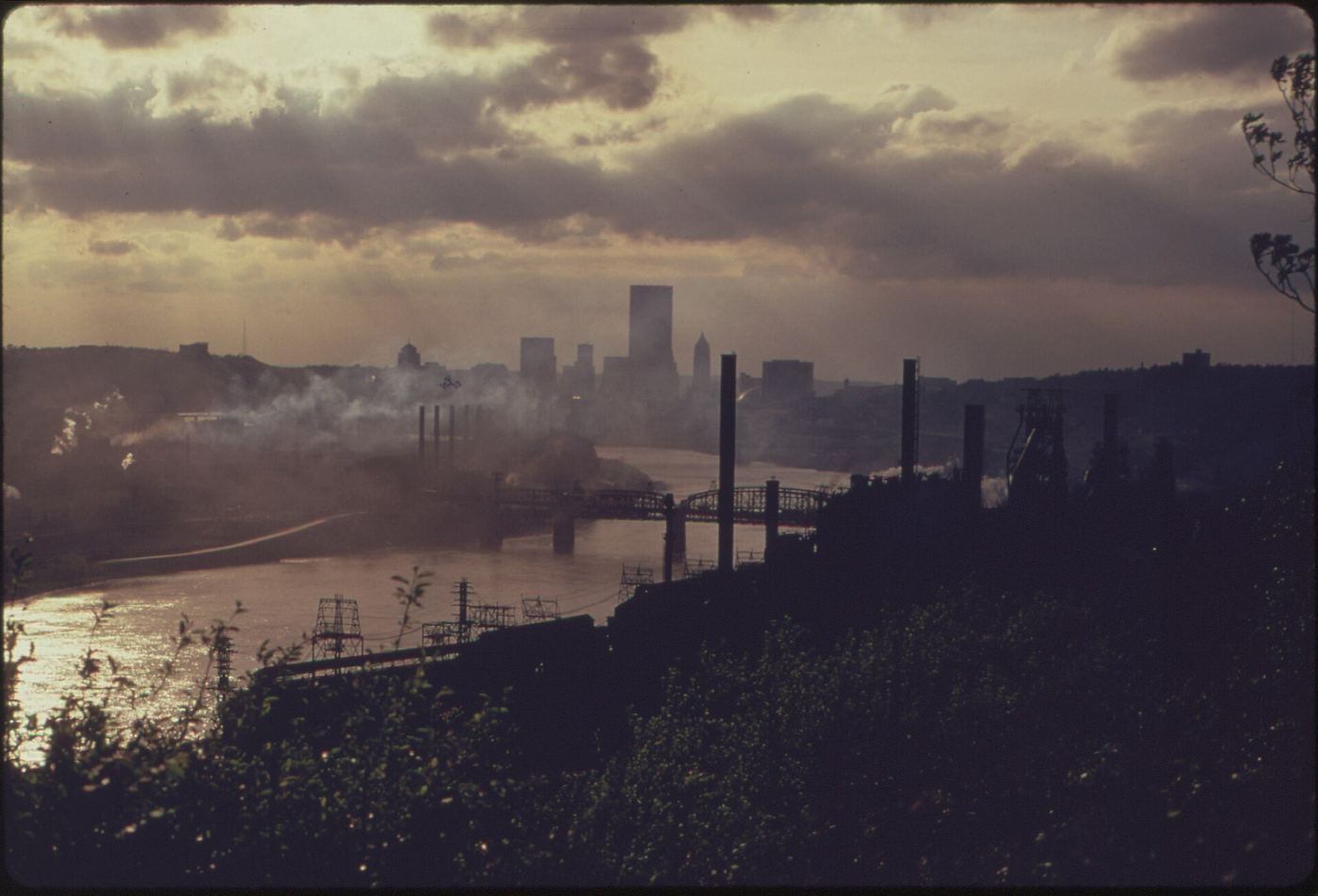
Air pollution in a city is not spread evenly. A busy road can have far dirtier air than a quiet street a few blocks away, and the difference matters for the people who live, work and go to school along it. Scientists are now mapping that variation in fine detail, using networks of low-cost sensors mounted on lamp posts, buses and bicycles, combined with computer models of how wind moves between buildings. The results show that pollution follows the shape of the city: it gathers in street canyons where tall buildings trap exhaust, drifts with the prevailing wind, and spikes during rush hour before clearing overnight. That level of detail is new. Older monitoring relied on a handful of stations, which could report the city average but not the air on a particular school playground or outside a particular hospital. The new maps let health researchers connect local pollution levels with asthma, heart disease and other conditions far more precisely than before.
What the Evidence Shows
The maps are already changing how cities respond to dirty air. Planners use them to decide where to plant trees, where to restrict traffic and where to place new schools away from the worst pollution. Some cities have created low-emission zones around the most polluted streets, and the sensor networks can show within weeks whether the air is actually improving. Researchers caution that sensors need regular calibration, since cheap devices can drift, and that a single map is only a snapshot unless the network keeps running. Community groups have begun hosting sensors of their own, adding local knowledge about where people actually spend time. The long-term goal is a living map of urban air, updated continuously, so that residents can choose cleaner walking routes and councils can target their efforts where the health benefit is greatest. For scientists, the lesson is simple: pollution is a local problem, and it needs a local map. Reporting and analysis from sources such as NASA track the same developments, and specialists following the mapped city air pollution say the direction is now consistent across independent lines of evidence.
The Wider Context
Funding bodies are watching the mapped city air pollution closely because the work sits at the junction of basic curiosity and practical return. Grant panels increasingly ask for a path from discovery to application, while researchers push back that the most valuable uses of fundamental science are rarely the ones written into the original proposal. The tension is productive when both sides stay honest about timescales.
What Happens Next
The long view on the mapped city air pollution is that fields advance by accumulation rather than by single announcements. This result adds a solid, checkable piece to a structure many teams are building, and its authors have shared their data so the piece can be tested from every side. That is how the picture eventually becomes reliable enough to act on. You can follow related developments in our coverage of science.
It is also worth remembering how quickly the picture in this area has changed before. Positions that looked settled a few years ago have been revised as new data arrived, and the same humility is appropriate now. The strongest coverage of this subject, and the most useful advice, tends to come from sources that update their views openly when the facts move, rather than defending an earlier position long after it has stopped fitting the evidence available.
